Whether you’re printing bold graphic tees or intricate textile transfers, one thing’s certain: ink matters. In today’s landscape, water-based inks are stepping into the spotlight—not just for their eco-friendly appeal, but for how they feel, perform, and elevate the final product. Ready to explore how they stack up against plastisols and solvent-based alternatives? Let’s dive in.
What are Water-Based Inks?
Water-based inks use water as their primary solvent, making them more environmentally friendly and easier to clean up than oil-based alternatives. They are nearly odorless, have low VOC values, low level of solvent contamination, and require less work safety measures than traditional inks. They penetrate the fibers of the substrate, resulting in a soft-hand feel and breathable print. Water-based inks are an alternative in screen and pad printing where typically solvent-based and plastisol inks are used.
What are Plastisol Inks?
Plastisol screen printing inks are formulated with PVC, a non-biodegradable material that presents environmental challenges due to its long-term impact on waste and sustainability. Unlike water-based inks, plastisols don’t absorb into fabric fibers—they cure with high heat and remain on the surface. This produces a vibrant, opaque finish but can result in a firmer hand feel and increased risk of cracking or fading over time. Additionally, because plastisol isn’t water-soluble, cleanup requires specialized chemicals, further complicating its eco footprint.
What are solvent Inks?
Solvent-based pad printing inks are composed of solvents, resins, and pigments, with the solvent content enabling rapid drying without the need for complex curing systems. These inks have long been the industry standard in pad printing due to their efficiency and versatility. However, they emit volatile organic compounds (VOCs), which contribute to air pollution and pose potential respiratory risks. Growing awareness around product safety—particularly in applications like toys and textiles—has accelerated interest in alternative chemistries that offer cleaner, safer solutions.
Types of Water-Based Ink
For Screen Printing

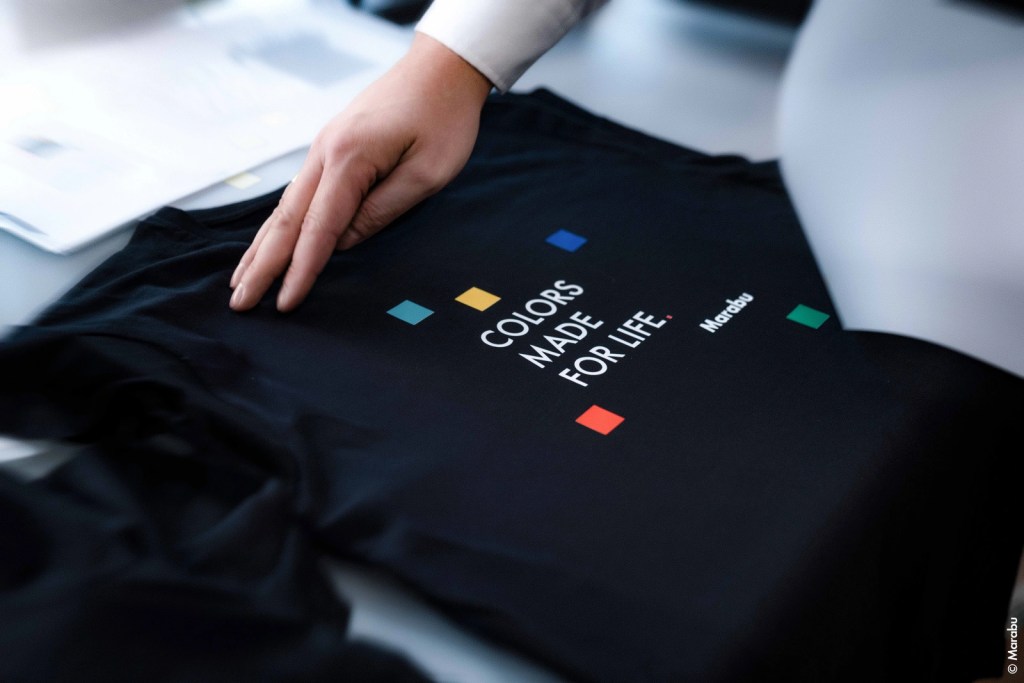
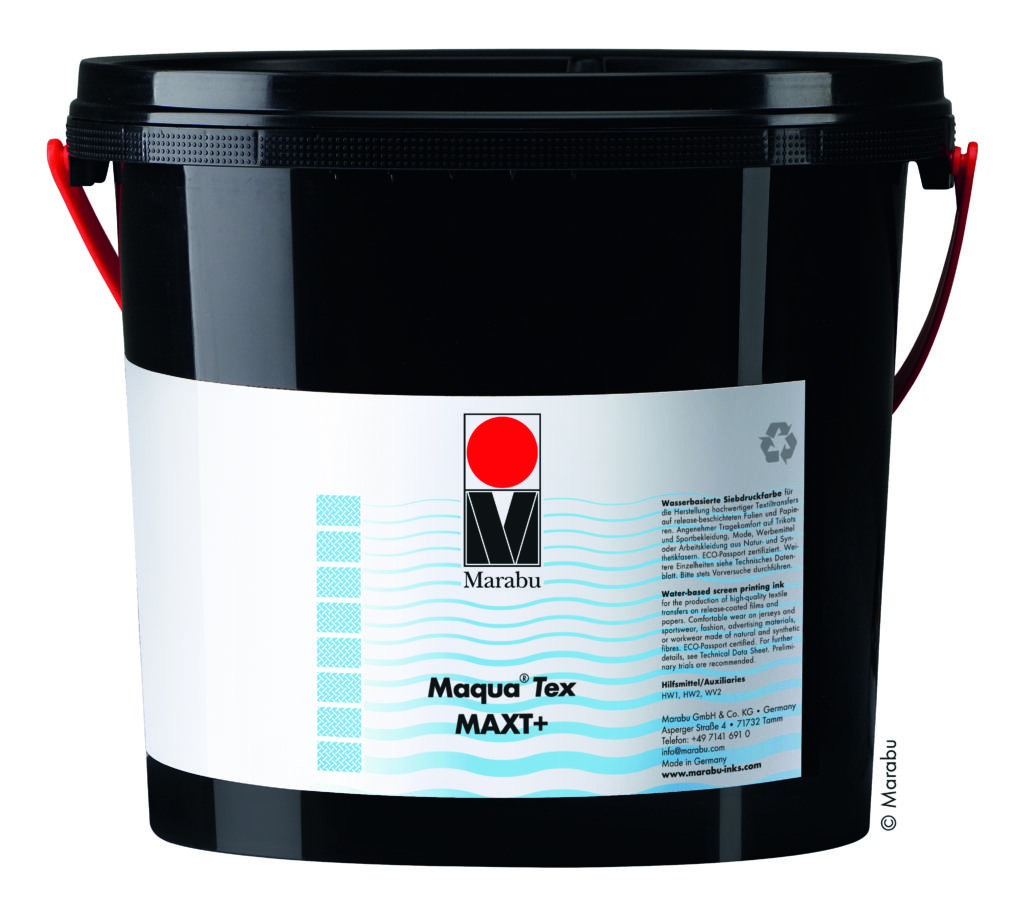
MaquaTex MAXT+ is a water-based screen printing ink engineered for high-quality textile transfers on release-coated films and papers. It’s ideal for fashion, sportswear, outdoor gear, and promotional textiles.
Why it stands out:
- Certified by ECO PASSPORT by OEKO-TEX®.
- Brilliant, flexible ink film with high stretchability
- Superior printability and long mesh opening
- Soft touch with high durability
- Ready-to-use inks—no pigment pastes required
For Pad Printing

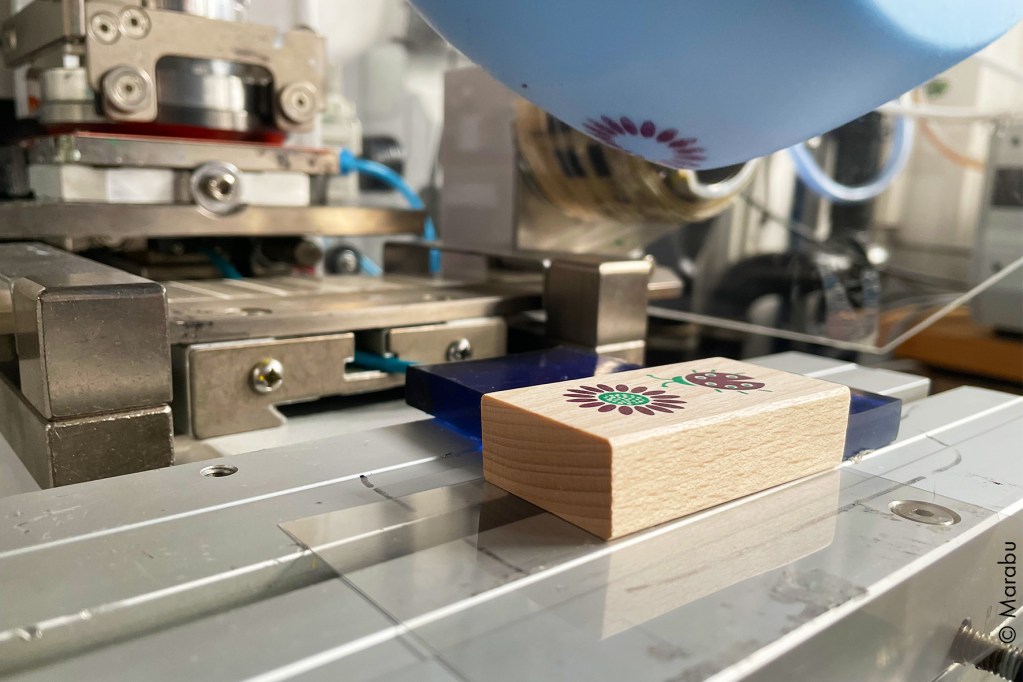
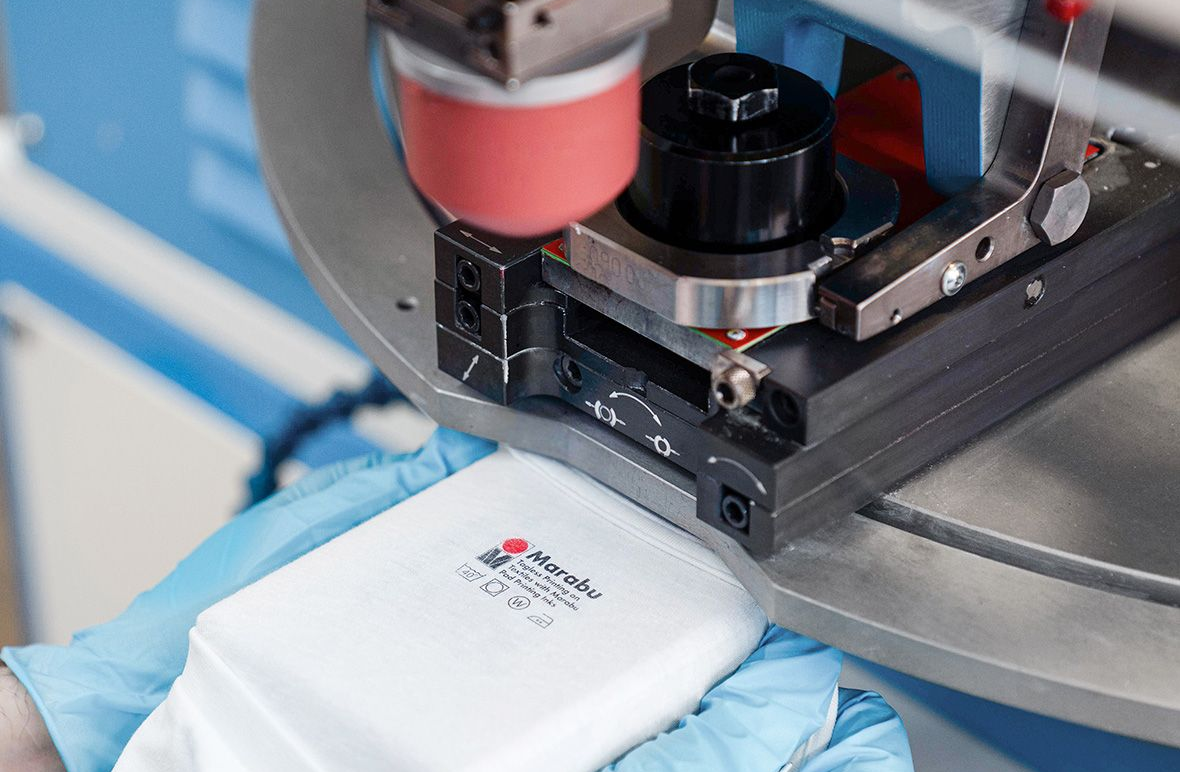
MaquaPad MAP is a game-changer: the world’s first water-based pad printing ink, designed for textiles and toys. It meets stringent safety standards and offers a sustainable alternative to traditional pad inks.
Solvent-based inks have been the standard pad printing technology for years. A keen focus on product safety has propelled the interest to alternative chemistry – especially for sensitive applications such as toys, but also for textiles (“tagless printing”).
Key advantages:
- Nearly odorless with low VOCs and solvent contamination
- Satin gloss and high-opacity shades with PANTONE®, HKS®, and RAL formulas
- Wearer-friendly alternative to transfer and sew-in labels (tagless printing)
- Flexible ink film that resists cracking and passes industrial wash tests
- Safe for toys—compliant with DIN EN 71/3 and free from BPA/BPS
- Ideal for eco-conscious packaging and promotional products

Water-based inks are less commonly used in pad printing but are gaining traction for certain applications, especially when sustainability is a priority.
To see MaquaPad MAP in action, check out the below video, highlighting its performance on textiles and sensitive surfaces.
You can also explore its versatility in pad printing on sensitive products below, which showcases its application on toys, face masks, and more.