This holiday season, personalized pajamas with cute pets or happy kids are popular gifts. Sublimation printing makes these special items possible.
From photo-personalized socks and t-shirts to drinkware, ornaments, and pillows, sublimation is the go-to method for printing vibrant, high-resolution designs on a wide variety of items. If you’re looking to expand your custom gift offerings, now’s the perfect time to explore this versatile technique.

How Sublimation Printing Works
The sublimation printing process relies on three key elements: heat, pressure, and time.
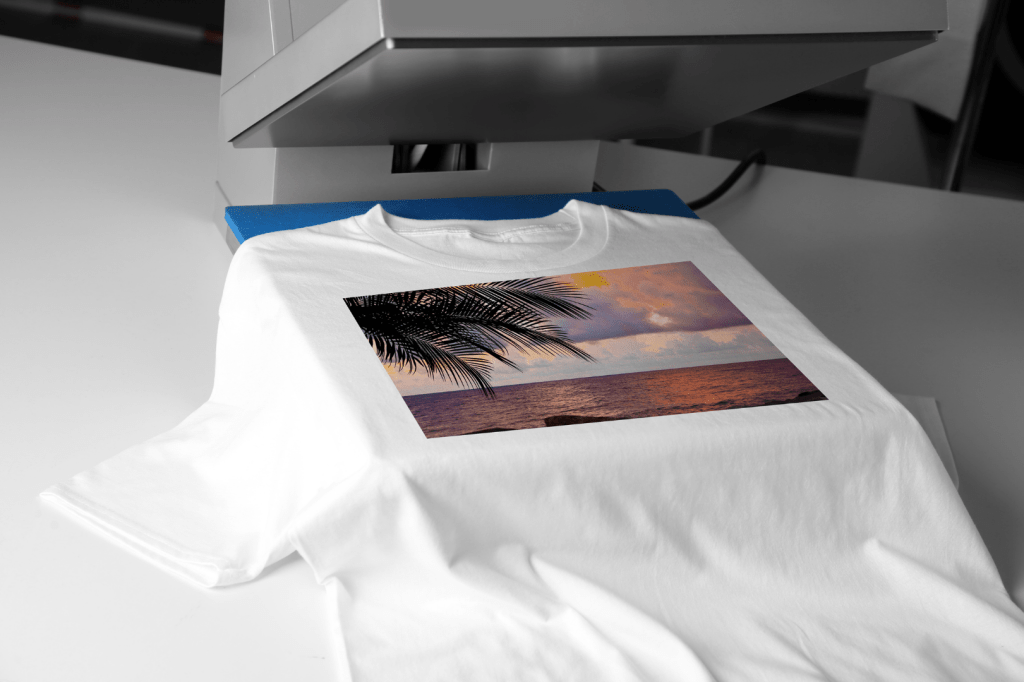
Start by preparing your customer’s photo on your computer. Then, send it to a sublimation printer, which uses special sublimation ink (like Marabu’s DX-STE) and transfer paper. The transfer paper will act as a carrier for your design. Because of this, you’ll need to print everything in reverse on the paper, then take it to the heat press and press the image onto the desired item.
The heat press reaches up to 400°F, turning the ink into gas. This gas bonds with polyester or poly-blend fabrics, embedding the design directly into the material. For best results, use fabrics with at least 70% polyester content.
Printing time varies by item, but a pair of pajama pants typically takes just 25–30 seconds.
Benefits of Sublimation vs. Screen Printing
Dye sublimation involves an additional heat-transfer step, which adds some complexity compared to other printing methods. However, it brings significant advantages over screen printing by enabling high-quality prints on a wide range of materials. Sublimation printers have been available for decades but have evolved to become much faster and easier to use. Today, brands like Mimaki offer sublimation printers designed for more straightforward, plug-and-print operation than ever before.
While many printing businesses continue to rely on screen printing for its strengths, it does come with certain limitations. For example, screen printing cannot easily handle all-over print jobs or reproduce photographic images on items such as pajama bottoms. Additionally, screen printing requires purchasing or mixing each color manually, making it challenging to achieve precise ink shades. The process also involves labor-intensive steps like burning screens, applying ink with a squeegee, coating items with emulsion, and managing the cleanup of ink spills.
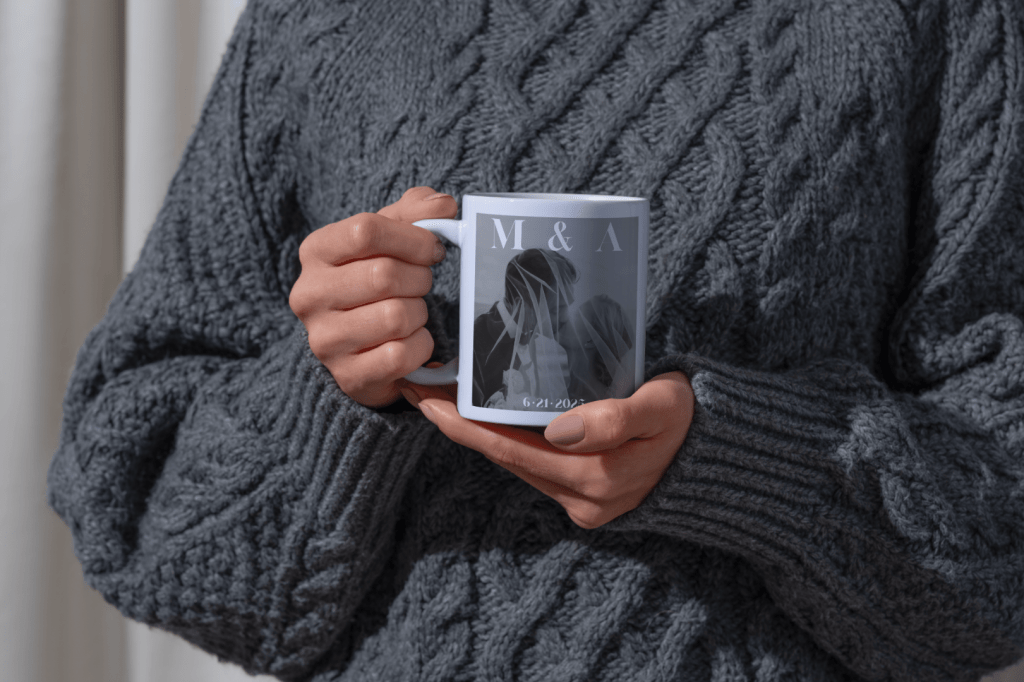
In contrast, sublimation printing is a more technologically advanced method. It enables customization of products, including popular holiday gifts, using customers’ photos and allows for full-coverage printing on substrates like athletic jerseys. Another major advantage is that you don’t need to buy or mix inks yourself; the printing software controls the colors and can produce virtually any shade. For instance, when printing an Arizona Cardinals logo on a jersey, if the red appears slightly off, the software makes it easy to adjust the hue perfectly.
Furthermore, sublimation printing results in a soft, smooth finish because the ink bonds directly with the material, making the print feel like part of the fabric. This contrasts with screen printing, where the ink sits on top of the fabric and can be felt as a distinct layer.

A Great Way to Expand to New Markets
If you’ve been debating getting a sublimation printer but avoiding it because you thought it was too complicated or that you’d need a heat press, know that the technology has come a long way.
Many bigger brands — including Mimaki, Roland, Mutoh, and Epson — now offer sublimation printers, and Marabu’s exceptional sublimation inks support them all.

While sublimation printing can be two to three times more expensive than screen printing, you can do so much more with a high-tech sublimation printer. Dye sublimation printing will open up different markets for your business, allowing you to produce things that you couldn’t accomplish with screen printing — including the extremely popular holiday gift of customized pajamas!
For more information about sublimation printing or any printing or ink needs, please contact us.